A retention schedule in a GDPR Record of Processing Activities is a documented intention, not an operational constraint. The ROPA says: email addresses in marketing tables, maximum 24 months from last interaction. The Snowflake data warehouse does not know that. The Salesforce CRM does not know that. The third-party marketing automation platform — connected via API feed — certainly does not know that. The gap between what the document says and what the infrastructure enforces is where GDPR storage limitation violations accumulate.
This article examines why the annual data minimisation project model is structurally insufficient, what automated retention enforcement requires at a technical level, and how the violation triage and documentation workflow closes the accountability loop.
The gap between documentation and enforcement
Most organisations operating under GDPR have retention schedules documented in their ROPA. A far smaller number enforce those schedules automatically. The dominant enforcement model is periodic: run an annual or semi-annual data minimisation project, identify cases of data held beyond schedule, execute deletions or anonymisations, document the effort in the compliance log.
This model has two structural failure modes. The first is the continuous violation problem: data exceeds its retention window from the moment the window closes, and remains in violation until the next annual project cycle — meaning the organisation is systematically non-compliant for 6–12 months at a time on retention, by design. The second is the accountability failure: GDPR Article 5(2) requires controllers to demonstrate ongoing compliance with the storage limitation principle, not just point-in-time compliance at the annual project date. A documentation trail that shows one annual deletion event per year does not satisfy this requirement.
What automated enforcement requires
Three technical layers must work together for automated retention enforcement to be operational. The first is classification: a continuously current map of which tables and fields across all connected systems contain personal data, classified by data category and linked to a processing activity. Without knowing which fields are personal, the retention rule cannot be applied.
The second layer is policy configuration: a machine-readable definition of retention rules that maps data categories and processing activities to maximum retention windows. This is the privacy officer’s domain — the rules express legal and policy decisions, not technical ones. The configuration should be manageable by a non-engineer, versioned for audit trail purposes, and readable by the enforcement engine without compilation or deployment.
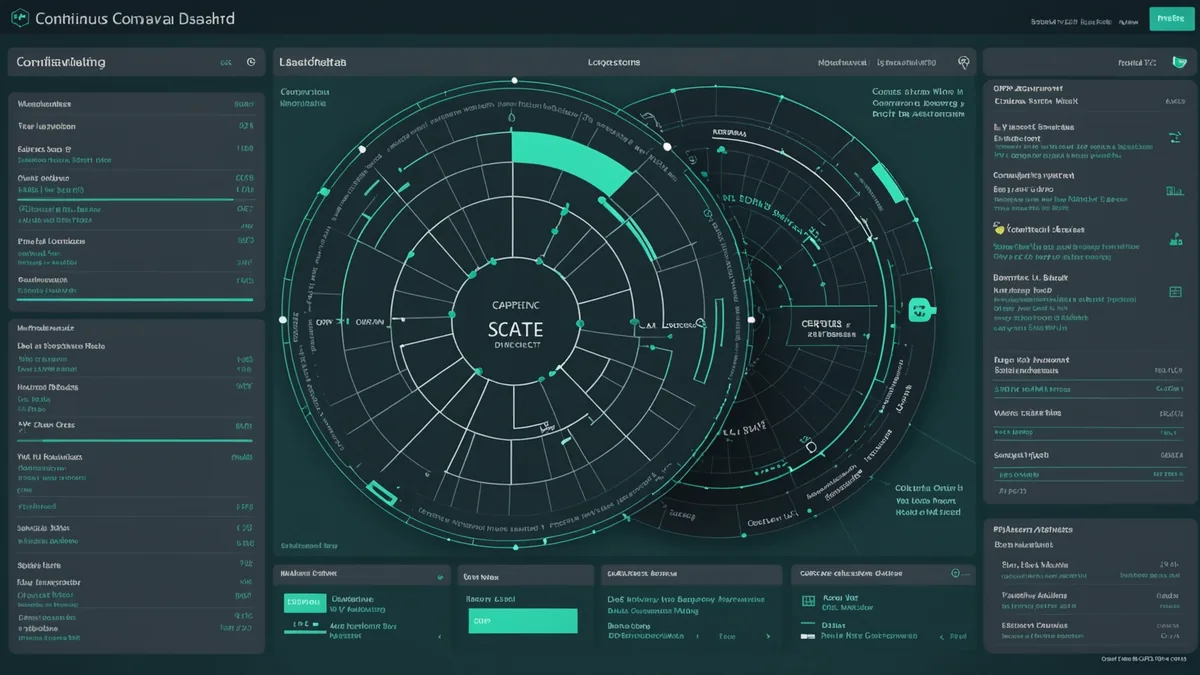
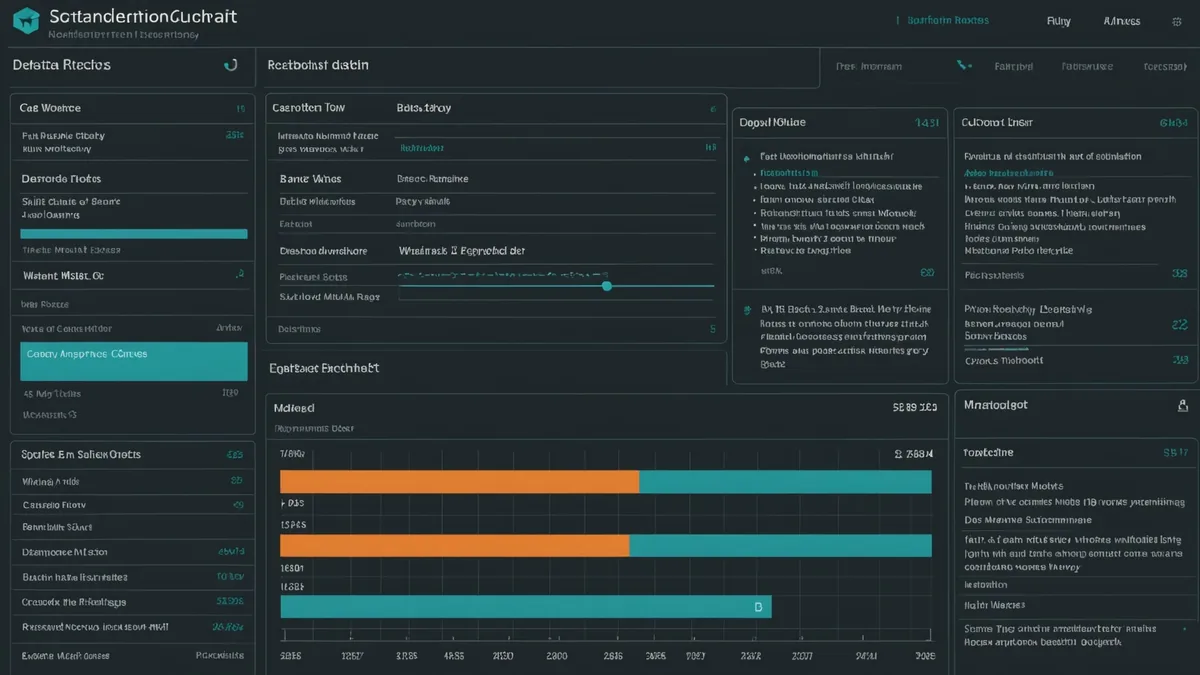
The third layer is the enforcement engine itself: a continuous check that runs retention rules against the current data inventory on a configurable cadence, generates violation records for fields that exceed their windows, and surfaces those violations in a dashboard with severity ranking and remediation workflow. The engine must handle complexity: the same data category may have different retention windows in different processing contexts, and the classification system must capture processing context (not just data category) to apply the correct rule.
The classification layer is the hardest part to keep current. A retention rule applies only to fields the system knows are personal data of a specific category. An unclassified field containing email addresses is accumulating a retention violation the organisation does not yet know it has.
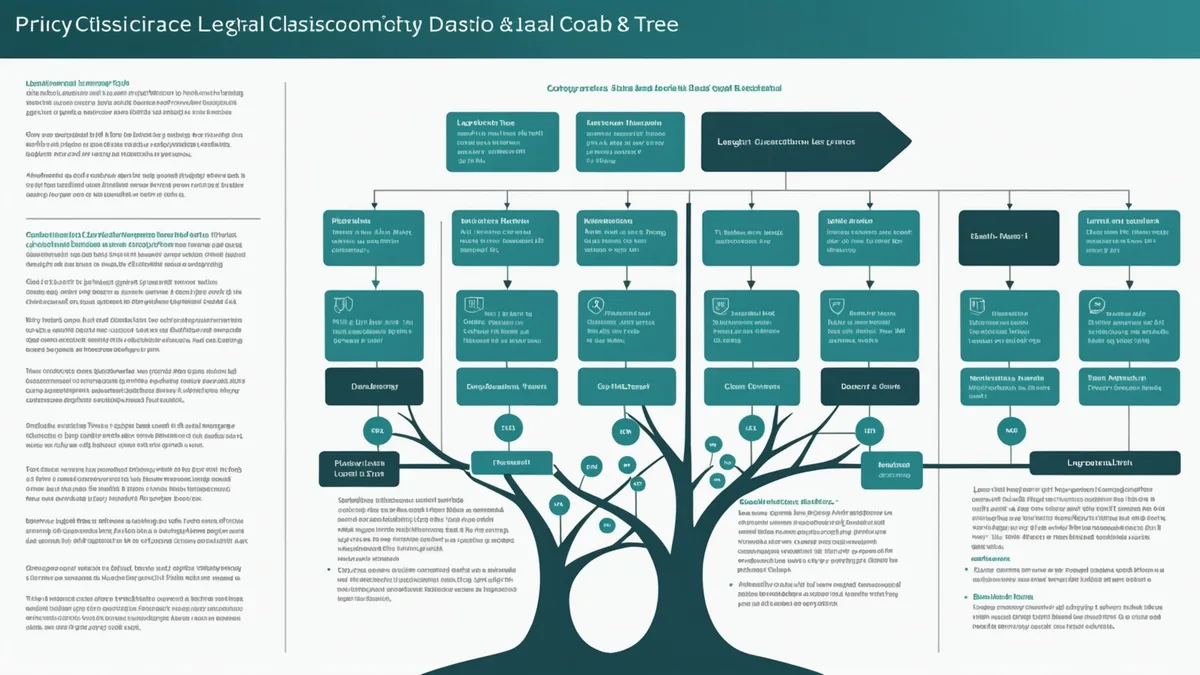
Retention windows by data category and processing context
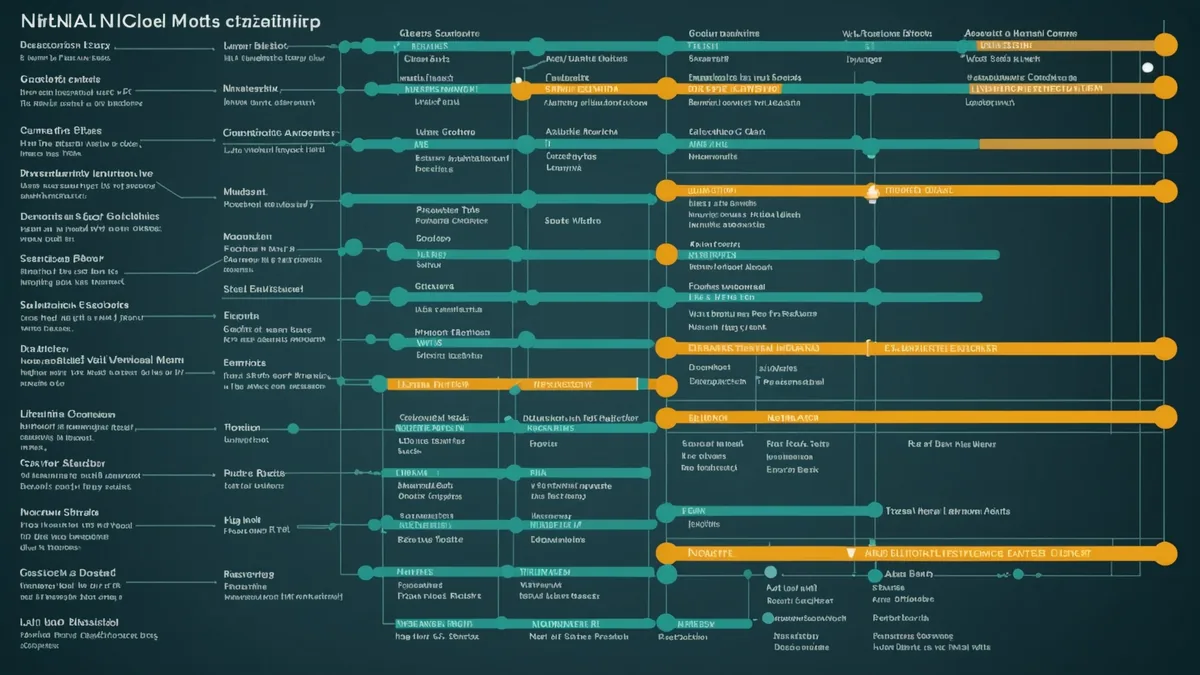
Retention rules in practice are more nuanced than a flat per-category schedule. Marketing email addresses typically have a 24-month window from last engagement or consent, under the storage limitation principle read alongside the right to erasure. Transaction and billing records may require a 7–10 year retention window for tax and legal audit purposes under Member State law — in Switzerland, the Code of Obligations requires 10 years for accounting documents. Employment records have their own statutory retention periods under Swiss and German labour law. Health data processed under explicit consent may require deletion immediately upon consent withdrawal.
A single data category — email address — can therefore have retention windows ranging from immediate deletion to 10 years depending on processing context. The enforcement system must resolve this per processing activity, not per data category alone. An email address in a marketing table and the same address in an invoicing table have different applicable rules, and the system must apply each correctly.
Special-category data under GDPR Article 9 warrants tighter enforcement cadence. Health data, biometric data, and other Article 9 categories carry enhanced protection obligations; retention violations involving these categories are higher severity and should be surfaced to the privacy officer within hours of detection rather than in a weekly digest.
Multi-source enforcement across a distributed stack
Retention enforcement across a distributed data stack — Snowflake, Salesforce, Redshift, internal databases, SaaS tools — requires per-source deletion or anonymisation capabilities alongside the central enforcement engine. The enforcement engine generates a violation record and a remediation instruction; the execution happens per source by the data engineering team or an automated deletion job.
Different systems have different deletion models. Snowflake supports targeted row deletion and anonymisation via SQL; Salesforce provides record deletion APIs; internal PostgreSQL databases support standard DELETE queries. For SaaS tools with limited API access, the remediation instruction may be a manual task assigned to a system administrator. The enforcement system should support all these paths and track completion status per violation record.
Some violations cannot be resolved by deletion. Records under a legal hold, records required for ongoing legal proceedings, or records whose deletion would impair a contractual obligation cannot be deleted on the retention schedule alone. These require a documented exception: the legal basis for continued retention beyond the policy window, the estimated end date of the exception, and the authorising reviewer. The enforcement system should track exceptions as a first-class compliance record alongside completed remediations.
The accountability audit trail
The accountability record for retention enforcement is the audit trail that supervisory authorities request when investigating storage limitation complaints. The minimum required record for each violation: the date the violation was detected; the field, table, and source affected; the applicable retention rule that was exceeded; the remediation action taken; the date remediation was completed; and the reviewer who authorised the remediation or exception.
This trail demonstrates ongoing compliance under Article 5(2) — not because there are no violations, but because violations are detected promptly, remediated in a documented process, and exceptions are justified and time-bounded. A compliance programme that produces this trail on a continuous basis is materially more defensible than one that produces a single annual data minimisation report, regardless of which approach covers more violations per year.
Conclusion
Automated retention enforcement is not primarily an engineering problem — it is a data classification problem, a policy configuration problem, and an accountability process design problem that happen to require engineering implementation. Getting the classification current is the prerequisite. Configuring the policy accurately is the privacy officer’s responsibility. Building the enforcement engine and the audit trail is the technical delivery. When all three are working together, the GDPR storage limitation principle becomes an operational discipline rather than an annual project.
Source notes
- GDPR Articles 5(1)(e) and 5(2) — storage limitation principle and accountability obligation
- European Data Protection Board, Guidelines on consent under Regulation 2016/679 (version 1.1, adopted 2020) — consent withdrawal and deletion obligations
- Swiss Code of Obligations (OR) Art. 958f — 10-year retention requirement for accounting documents
- CNIL, Referential on retention periods — human resources data (2022) — employment record retention schedules under French and general EU practice
- ICO, Storage limitation — guidance for controllers (2023 edition) — practical guidance on defining, documenting, and enforcing retention schedules