Five modules. One continuous compliance picture.
Qala connects to your data estate, classifies every personal data field automatically, enforces retention and processing-purpose policies continuously, and generates audit-ready output at every step — without replacing your existing data infrastructure.
Request Early Access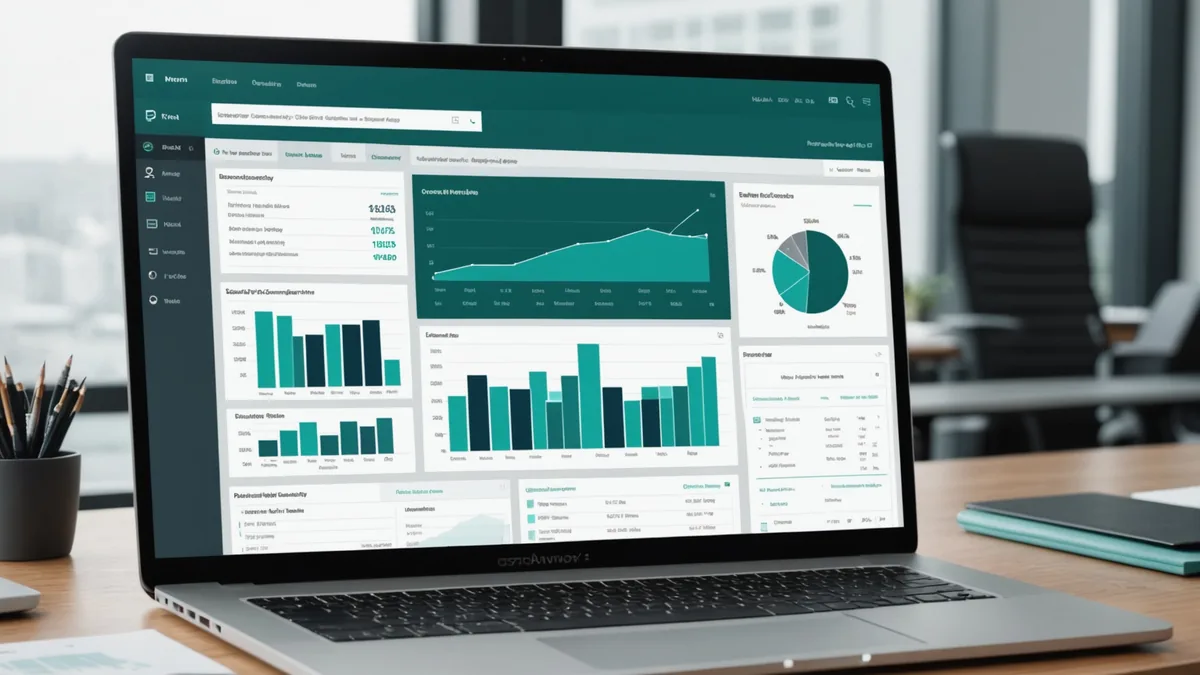
GDPR compliance is not a documentation project — it is an operational discipline
Organizations operating under GDPR lack continuous visibility into where personal data lives, how it flows, and whether policy rules are actually being enforced. Manual data inventories go stale within weeks. Compliance audits rely on spreadsheets that cannot reflect live data pipelines. When a DSAR or breach notification is triggered, teams have no automated way to locate all relevant personal data across a fragmented stack.
The result: compliance managed as a one-time documentation exercise, not a continuously current operational picture. Qala changes that by providing always-on observability over your personal data estate — connected to your existing data warehouse, not replacing it. Privacy officers and data engineering teams work from the same live classification graph, eliminating the documentation-vs-reality gap that drives most GDPR compliance failures.
Five integrated modules for continuous compliance

Continuous Data Discovery
Always-on crawling of your data estate — every new table, column, and pipeline, classified within hours of ingestion
Qala's discovery engine connects via read-only API credentials to cloud data warehouses, SaaS databases, and internal systems, scanning schema metadata and sample values to identify personal data fields. New tables and schema changes surface in your compliance map automatically — no manual intervention, no stale inventories.
NLP-Based Classification Engine
Column-level personal data classification using AI/NLP — not regex rules, not keyword lists
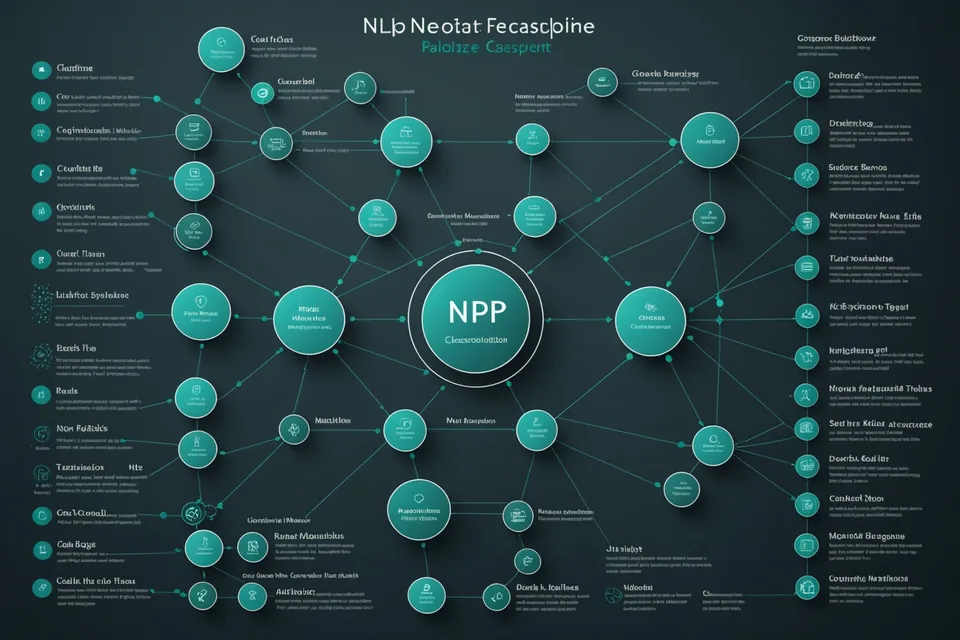
Fine-tuned NLP classifiers trained on GDPR-specific personal data categories assign confidence scores per field. High-confidence classifications auto-approve; mid-confidence queue for human review. The engine distinguishes directly identifying from indirectly identifying fields per GDPR Article 4(1).

Policy Enforcement Layer
Define retention rules and processing purposes once — Qala flags every violation automatically
Configure retention schedules per data category, permissible processing purposes per legal basis, and cross-border transfer restrictions. Qala's enforcement engine runs policy checks on every discovery cycle, ranking violations by severity and assigning them to owning teams via configurable routing rules.
DSAR Automation
Respond to data subject access requests in hours, not weeks — with a complete, auditable data map
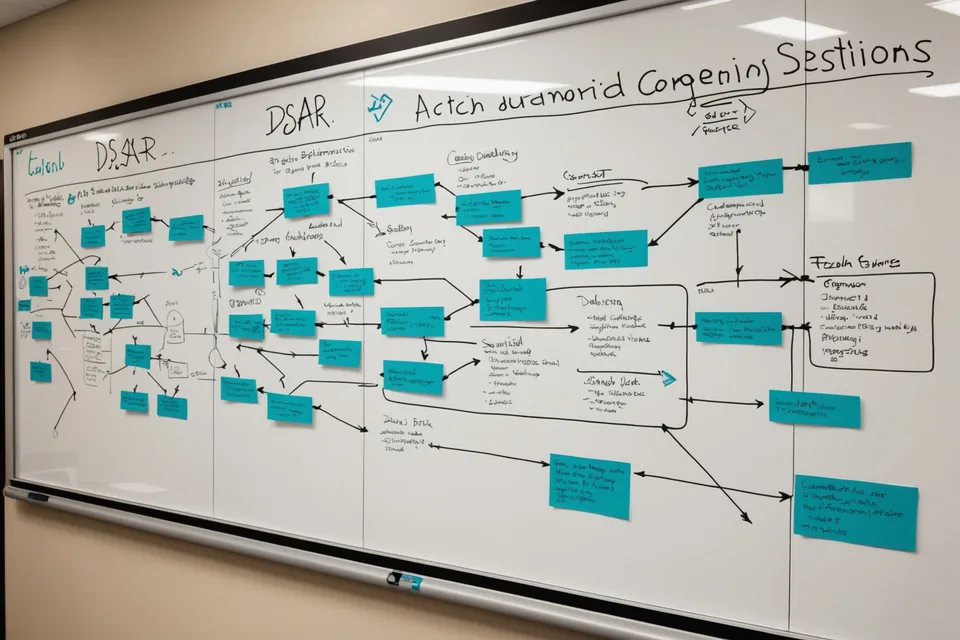
Enter an email address or subject identifier; Qala returns a real-time map of every personal data record across all connected sources, exportable as PDF or JSON. Deadline calendar tracking and escalation alerts keep your team inside the 30-day GDPR window.

Breach Impact Scoping
When a data incident occurs, scope the affected personal data within minutes — not days
Qala's breach scoping module queries the observability graph against an incident descriptor to enumerate which personal data fields were exposed, how many data subjects are affected, and whether special-category data was involved. Article 33 notification reports generated in under 10 minutes.
Connect your data sources, configure compliance policies, and gain live observability from day one.
Qala is designed to integrate with your existing data infrastructure — not replace it. Setup follows three stages: source connection, policy configuration, and continuous monitoring. Most organizations complete initial setup in under two weeks and see their first classification results within hours of connecting their first data source.
Connect data sources
Provide read-only credentials to Snowflake, BigQuery, Redshift, Salesforce, or internal databases. Qala's crawler scans schema metadata and sample values to identify personal data fields within hours of the first connection. No data leaves your environment — Qala reads schema and sample values only, with no full data export required. The initial scan produces a prioritised classification queue that surfaces high-confidence personal data fields for your review within the same working day. Credentials are stored encrypted and never used for writes. You control which schemas are in scope — start with your highest-risk sources and expand from there.
Configure compliance policies
Define retention schedules, processing-purpose mappings, and cross-border transfer restrictions in Qala's policy builder. Policy checks run automatically on every discovery cycle — no manual scheduling required. Policies are versioned: changes create a new policy version, and violation history is linked to the policy version that was active at the time. This preserves the audit trail across policy changes.
Operate with continuous visibility
Your dashboard reflects the live compliance state of every connected source. DSARs resolved in hours using Qala's subject lookup tool. Audit-ready exports generated on demand — structured as PDF or JSON payloads ready for supervisory authority submission. Breach impact scoped in minutes using the lineage graph. The compliance picture stays current without periodic manual audits, because Qala's crawler runs on a configurable cadence and flags new violations as they emerge.
Built for mid-market and enterprise organizations operating under EU data law
Qala is purpose-built for data privacy officers, compliance leads, and data engineering teams at organizations with distributed cloud data infrastructure and a compliance obligation under GDPR, UK GDPR, or Swiss nDSG. The platform is most valuable to teams that already know they have a personal data sprawl problem but lack automated tooling to keep pace with schema changes and new data sources. Our early customers are typically 500–10,000 employees with at least three cloud data sources and at least one dedicated privacy officer. They operate where the documentation-vs-reality gap is the primary audit risk.
Good fit
- 500–10,000 employees
- 3+ cloud data sources (Snowflake, BigQuery, Salesforce, etc.)
- Dedicated privacy officer or compliance team
- Operating under GDPR, UK GDPR, or Swiss nDSG
Not a fit (yet)
- Fewer than 200 employees, no dedicated compliance staff
- No cloud data warehouse or SaaS tooling
- US-only operations with no EU data subjects
See Qala working on your data estate
We are working with a select group of privacy officers and data engineering teams in Switzerland, Germany, and the Netherlands. Request early access to discuss your compliance infrastructure and whether Qala fits your stack.