Data Observability Consulting
Pipeline monitoring, schema drift detection, data lineage mapping, and SLA alerting — the technical foundation that makes compliance auditable.
What Data Observability Delivers
Data observability is the practice of understanding the health, completeness, and behaviour of your data systems without having to manually inspect every pipeline or wait for a downstream failure report. For organisations subject to GDPR or FADP, it also answers a direct compliance question: what personal data is being processed, through which systems, and can your ROPA and DPIA documentation be verified against what actually happens?
Qala's observability engagements are not tool evaluations or proof-of-concept installations. We assess your current pipeline monitoring coverage, identify the visibility gaps most likely to create compliance exposure — particularly around schema drift, undocumented PII fields, and lineage breaks — and help you implement monitoring that serves both your engineering incident response and your Art. 30 documentation obligations. We do not have a preferred tooling vendor and do not take referral fees.
- Pipeline health monitoring and SLA breach alerting
- Schema drift detection and change management workflows
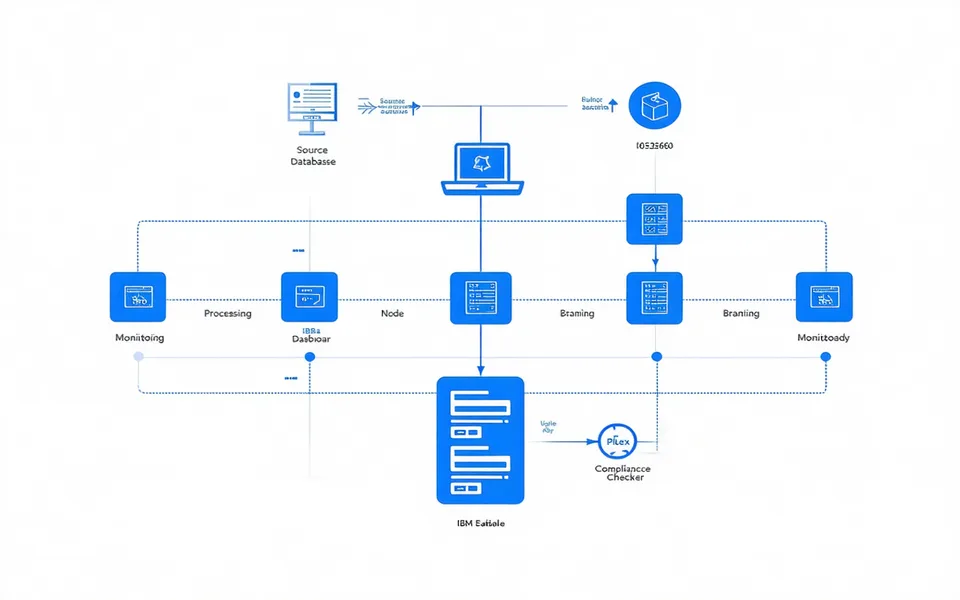
- End-to-end data lineage mapping (source → transformation → destination)
- Data quality metrics: completeness, timeliness, accuracy, consistency
- Anomaly detection on data volume and value distributions
- Observability stack assessment and open-source tooling guidance
- Alerting integration with your incident management workflow
Two Perspectives on Observability
What observability means for your engineering team, and what it enables for your compliance function.
Operational clarity over your data estate
- Know when a pipeline fails before the business reports it
- Detect schema changes that break downstream consumers
- Trace data quality issues to their root cause in minutes, not days
- Maintain documented lineage without manual spreadsheet updates
- SLA monitoring for data freshness against agreed thresholds
Evidence-based compliance documentation
- ROPA entries that reflect actual data flows — not a snapshot from 18 months ago
- Automated detection when new personal data fields appear in your systems
- Audit trails supporting Art. 30 documentation and supervisory authority responses
- Faster DSAR fulfilment — know where personal data resides before the 30-day clock starts
- Breach scope analysis within the 72-hour notification window
Assess your pipeline visibility
We begin with a rapid assessment of your current observability coverage — what is monitored, what is not, and where the gaps create regulatory exposure under Art. 30, Art. 33, or FADP breach notification obligations.